The Perth Mint Certificate Program (PMCP) remains one of the longest‑running, sovereign‑backed alternatives for investors who want allocated physical gold without storing it at home. This review evaluates PMCP's structure, security, costs, liquidity and practical suitability for different types of gold investors in August 2026.
What the Perth Mint Certificate Program is
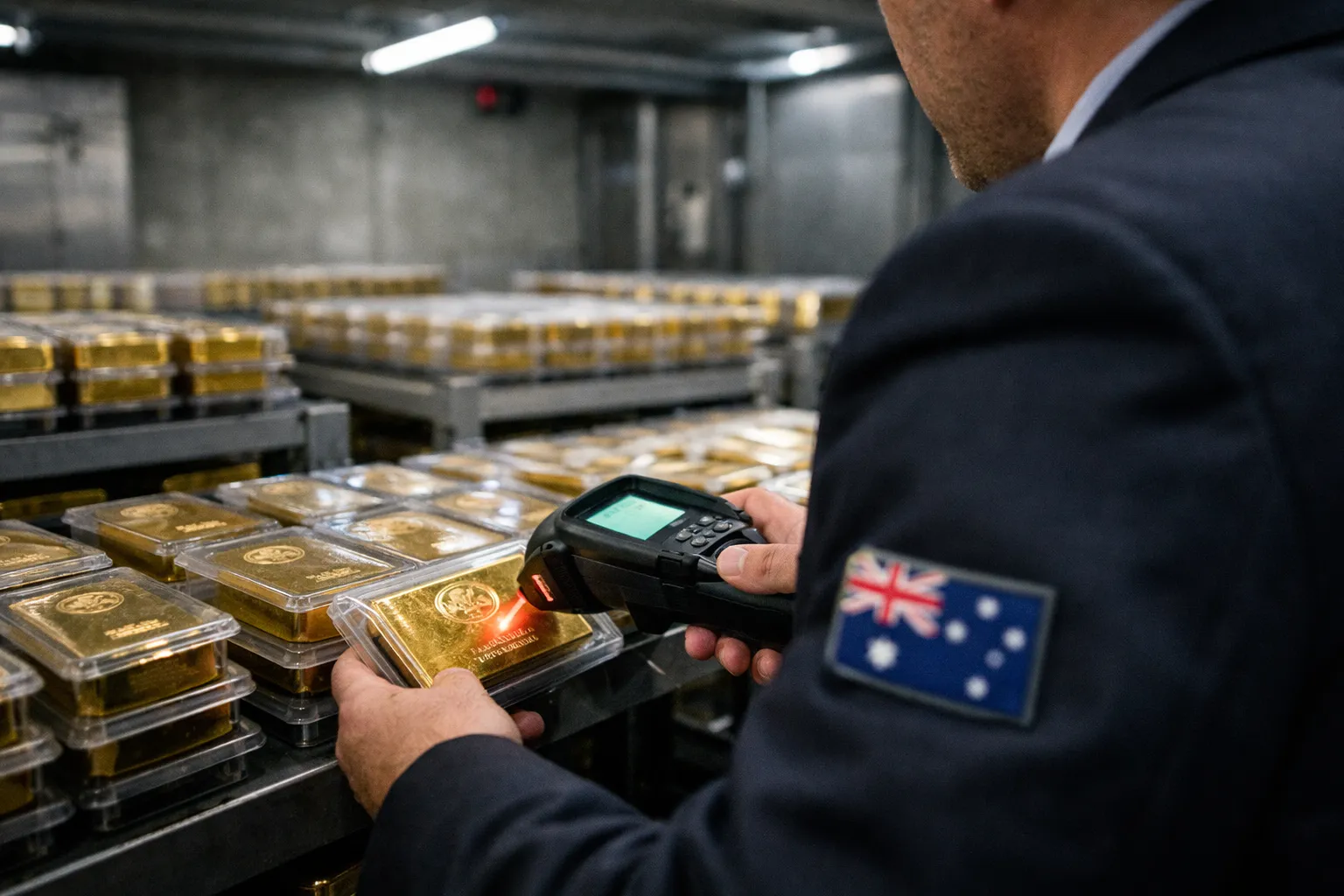
The Perth Mint is wholly owned by the Government of Western Australia and operates a refinery and secured vaulting facilities in Perth. The Perth Mint Certificate Program issues certificates that represent allocated, fully‑refined gold bars stored in Perth Mint vaults. Bars are typically Perth Mint‑refined Good Delivery or smaller minted bars with serial numbers recorded to individual certificate accounts.
Core characteristics
- Allocated ownership: customers hold title to specific bars recorded in PMCP accounts, not a pro rata claim on a pooled pool of metal.
- Government ownership: the Perth Mint is a state‑owned enterprise; the government connection is central to PMCP's value proposition.
- Refining and provenance: bars are Perth Mint cast or minted product and carry serial numbers and assay information.
- Redemption and delivery: certificate holders can request physical delivery of the underlying bars, subject to minimums and delivery fees.
Security, auditability and insurance
Security is PMCP's headline appeal. The Perth Mint operates audited vaulting with dedicated records for each certificate. Historically, the Mint has been on the LBMA Good Delivery list for gold refining, which reassures buyers about metal quality. Physical security includes controlled vault access, surveillance and insurance layers typically arranged by the Mint.
Perth Mint also publishes audit statements and maintains third‑party verifications of its stocks. For investors, the dual benefit is allocated bars with serial‑level traceability plus the oversight that comes from state ownership and external audits.
Costs and fee structure (what to expect)
PMCP balances direct storage with dealer distribution: investors normally buy certificates via approved dealers rather than opening accounts directly at the Mint. That means the total cost of using PMCP combines three elements:
- Dealer spread/commission on purchase and sale.
- Perth Mint custodial/storage fees charged for holding allocated bars.
- Delivery, handling and assay fees should you request physical redemption.
Fee levels vary by dealer and by bar size; smaller denominations attract higher per‑ounce costs at purchase and for delivery. Compared with large retail purchases with home delivery, PMCP is costlier on a per‑unit basis for small, frequent transactions but becomes competitive for investors seeking multi‑kilogram, long‑term allocated holdings.
Liquidity and market access
Liquidity in PMCP is a function of the dealer network. Because many wholesale and retail dealers recognize Perth Mint certificates, buying and selling via that network is straightforward in most major bullion markets. However, liquidity is not instant in the same way as an exchange‑traded product: matching with a dealer, settlement timing and shipment logistics all introduce delays.
Redemption for physical delivery is a useful liquidity feature, but it carries minimum‑size requirements and shipping cost. For investors who plan to hold and occasionally rebalance, PMCP offers a practical balance between custody security and tradability. For active traders or intraday exposure, exchange‑traded products remain more convenient.
Pros — who benefits
- Government‑backed credibility: ownership and operation by the Government of Western Australia is a unique trust factor among physical storage options.
- Allocated and auditable: serialised bars reduce counterparty and fungibility risk compared with unallocated accounts.
- Redemption option: ability to take physical delivery of the exact bars recorded against your certificate.
- Reputable refining provenance: Perth Mint metal is widely accepted in international bullion markets.
Cons and practical limitations
- Layered costs: dealer margins, storage fees and delivery charges add up — especially for small holdings or high turnover.
- Geographic concentration: metal is stored in Australia; investors concerned about geopolitical or repatriation risk should weigh that concentration.
- Operational friction: transfers, redemptions and account queries follow a custodial process that is slower than ETF/redemption or tokenised solutions.
- Minimums: physical delivery and some storage arrangements impose minima that can exclude very small investors from cost‑efficient redemption.
How PMCP compares with other storage choices
Compared with unallocated dealer accounts, PMCP reduces counterparty exposure by delivering allocated bars. Versus private commercial vaults, PMCP's government ownership and Perth Mint refining credentials add a trust premium for many investors. Versus ETFs or trusts, PMCP offers direct physical ownership and serial traceability, but at the cost of lower intraday liquidity and higher transaction friction.
Who should consider the Perth Mint Certificate Program?
- Long‑term buy‑and‑hold investors who prioritise allocated, auditable ownership and are willing to accept slower liquidity in exchange for perceived security.
- Investors seeking sovereign‑backed custodial reassurance (for example, family offices and private investors placing a core allocation outside retail banking channels).
- Buyers of kilo‑scale bars or larger, where per‑ounce storage and delivery economics are more attractive.
It is less suitable for short‑term traders, those needing immediate intraday liquidity, and investors holding very small positions who would be hit disproportionately by dealer spreads and delivery fees.
Practical tips for prospective PMCP users
- Use multiple quotes: compare total landed costs (purchase price + dealer fees + storage + delivery) across dealers before committing.
- Ask for serial numbers and assay documentation: ensure the certificate or account record explicitly references serialised bars.
- Clarify redemption minimums and timelines in writing so you understand the process to take physical delivery.
- Consider diversification: holding some metal in a separate jurisdiction or product can reduce concentration risk.
Verdict
In 2026 the Perth Mint Certificate Program remains a compelling option for investors who want allocated, government‑backed gold with clear provenance. It is strongest for long‑term holders and those buying at sizes where custodial economics make sense. Costs and operational friction mean it is not the best choice for short‑term traders or very small accounts, but for investors prioritising traceable, allocated bullion with sovereign oversight, PMCP is among the most credible choices in the market.