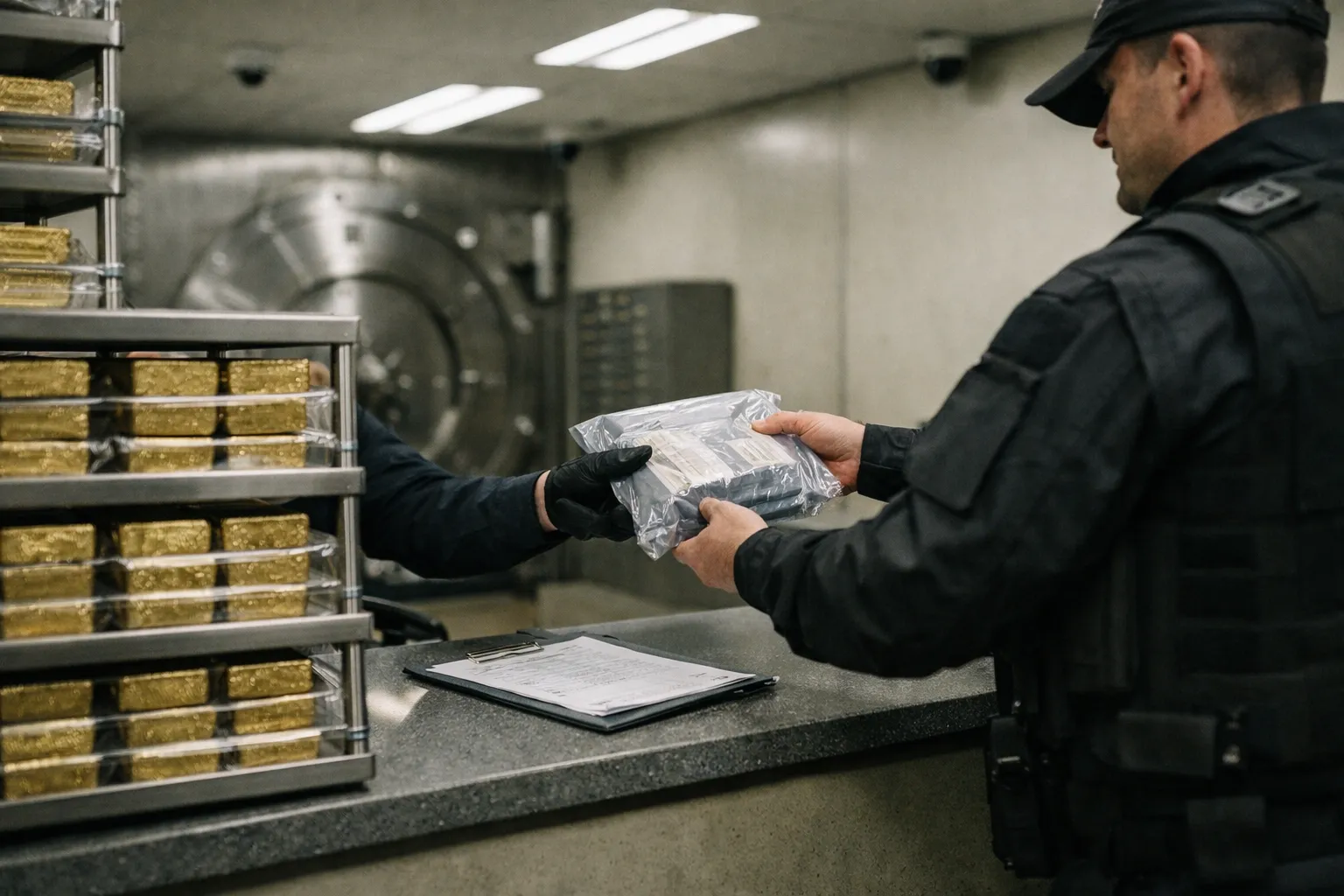
Moving physical gold across borders remains a specialized combination of logistics, regulatory compliance and risk management. This update — current to August 2026 — walks bullion investors through the end‑to‑end process, highlights new compliance and market developments that matter today, and gives concrete checklists and cost/timing ranges to make your transfer predictable and defensible.
Who this guide is for and what it covers
This guide is written for individual and high‑net‑worth gold investors who already hold physical bullion (bars, kilo coins, fractional pieces or government coins) and intend to move it from one country to another. It assumes you want to preserve provenance, maintain allocated status where applicable, and avoid unexpected taxes, seizures or insurance gaps. It adds August 2026‑relevant material: tokenization risks, enhanced AML/sanctions screening, and practical adjustments providers made after recent compliance upticks.
Prerequisites / Context you should know first
Before a cross‑border move in 2026, confirm these baseline items:
- Valid identity and beneficial‑owner documentation for every party involved (many vaults and carriers now require ultimate beneficial owner declarations).
- Clear title and provenance documentation: invoices, assays, serial numbers and any refiner certificates.
- Awareness that regulators and custodians have stepped up screening for sanctions, AML and tokenization links — expect deeper KYC and longer lead times on high‑value transfers.
Key decisions up front
Three strategic questions remain central — but with added 2026 nuance:
- Method: personal carriage, professional bullion carrier, or vault‑to‑vault transfer? Vault‑to‑vault remains the most secure, but carriers and vaults now integrate more digital custody and tokenized receipt processes that affect paperwork.
- Purpose: permanent relocation, temporary transit for sale, or movement to a storage facility? Purpose influences customs classification, VAT/GST treatment and whether tokenized ownership can be used during transit.
- Risk tolerance vs. cost: are you willing to pay for strict allocation, extended audit rights and higher insurance for a full chain‑of‑custody, or will you accept pooled storage and lower cost?
Options explained: Pros, cons and typical use cases (2026 updates)
1. Vault‑to‑vault transfer (recommended for most investors)
- Pros: minimal handling, robust chain‑of‑custody; many major vaults now provide digital audit trails and same‑day electronic allocation updates.
- Cons: higher fixed fees; some vaults have stricter onboarding and continuous monitoring policies introduced since 2024.
- Use case: moving >1 kg, institutional or allocated holdings, or when maintaining an allocated position and clear auditability are priorities.
2. Professional bullion carriers and couriers (Brink’s, Malca‑Amit and similar)
- Pros: end‑to‑end logistics, customs brokerage and flexible door‑to‑door services; many carriers now include digital custody receipts and additional screening services.
- Cons: costs vary by corridor and declared value; expect rigorous KYC/AML checks and slower onboarding for new clients.
- Use case: one‑off moves, mid‑sized shipments where vault‑to‑vault isn’t available, or routes with limited local vault infrastructure.
3. Personal carriage (airline/hand carry)
- Pros: immediate control, potentially fastest arrival.
- Cons: high legal and security risk, insurance gaps, airline baggage rules and stronger customs scrutiny in many jurisdictions as of 2026.
- Use case: very small quantities (one or two coins) when legal import/export rules are clear and investor accepts the risks.
Step‑by‑step checklist (actionable, numbered)
- Inventory and provenance documentation
- Compile a detailed inventory with itemized serial numbers, weights, fineness, high‑resolution photos, invoice copies and assay or refiner certificates.
- If bars are from a recognized refiner or bear LBMA‑approved hallmarks, highlight that on paperwork — customs and vaults pay attention to refiner brand names.
- For tokenized or digital‑receipt programs, secure copies of on‑chain receipts and the custodian’s redemption process documentation before transfer.
- Decide on route and service providers
- Compare destination vaults on: allocated vs pooled options, annual and ingress/egress fees, insurance limits, audit frequency and client access to allocation records.
- Select a carrier and customs broker experienced on your corridor. Ask for recent references and copy of their bullion‑specific insurance policy wording (sub‑limits, war/terrorism exclusions, civil commotion exclusions).
- Obtain written itemized quotes that show: carrier base fee, insurance premium (with rate and excess), customs brokerage, handling, vaulting and any uplift fees for compliance screening or sanctions checks.
- Legal, tax and sanctions checks
- Confirm VAT/GST treatment at destination: many jurisdictions still exempt investment‑grade gold, but exact invoice wording and HS coding matter — use a customs broker to confirm invoice language.
- Verify export controls at origin. Some countries require declarations above specific thresholds; a customs broker can confirm HS codes and exemption conditions.
- Sanctions and AML: since 2024 regulators have increased scrutiny on high‑value metal movements and on tokenization platforms. Ensure all counterparties will accept transfers given the transaction’s parties and jurisdictions.
- Insurance strategy (updated for 2026)
- Obtain continuous all‑risk cover from “warehouse to warehouse” or “door to door” with named carriers and vaults. Confirm sub‑limits and exclusions (riot, war, cyber incidents impacting digital receipts).
- In 2026 many underwriters request enhanced risk mitigation (armed escort for door‑to‑door, dual custody protocol) for very high‑value routes — budget for these add‑ons if required.
- Ask for written claims examples and expected settlement timelines. Typical transit premium bands continue to vary; always insure on full current market value at the time of transit.
- Packing and chain‑of‑custody
- Use professional tamper‑evident packaging and insist carriers perform sealing. Do not repackage bullion yourself unless directed; improper sealing can void insurance.
- Maintain signed receipts at every custody change: vault handover, carrier pickup, customs clearance and receiving vault acceptance. In 2026 digital audit logs are common — store both paper and digital records.
- Customs clearance
- Provide clear invoices marking items as “investment gold” when applicable and include refiner details and fineness. A customs broker should file declarations and arrange any required bonds.
- Expect increased documentary checks. Avoid undervaluation that may trigger inspections and penalties; declare at market value where required.
- On arrival and verification
- At destination vault, insist on a physical reconciliation before signing acceptance. For allocated holdings, verify serial numbers against allocation records and request a photographed proof of receipt.
- If tokenized receipt was used, verify the custodian’s redemption process—ensure on‑chain token equals physical allocation and ask for an off‑chain attestation.
- If any discrepancy or damage exists, notify carrier and insurer immediately and preserve all packaging and seals for claims evidence.
- Recordkeeping and aftercare
- Retain all transfer documents for tax and audit. Financial authorities often request multi‑year records for high‑value bullion movements.
- Review the destination vault’s storage contract, notice periods for withdrawal and repatriation fees. Confirm the process and timeline for returning physical metal versus redeeming tokenized claims.
Costs and timelines — realistic ranges (Aug 2026)
Costs vary by value, weight, route and service level. Confirm with providers; the following are illustrative ranges reflecting market norms in mid‑2026.
- Vault‑to‑vault transfer fees: US$300–US$4,000 per transfer (excluding insurance), depending on corridor and service level.
- Carrier fees (door‑to‑door): US$700–US$6,000 per shipment; premium services (armed escort, priority customs lane) cost more.
- Transit insurance: 0.05%–0.6% of declared value per transit; higher for routes with geopolitical risk or for shipments with limited audit trails.
- Customs brokerage: US$150–US$1,200 depending on complexity and paperwork.
- Vault storage fees: US$120–US$3,500+ annually, depending on allocated vs pooled storage, insured value and audit access.
- Timelines: Same‑market vault‑to‑vault: 2–10 business days; cross‑continental vault‑to‑vault: 5–15 business days — allow extra lead time for enhanced compliance screening in 2026.
Practical examples (updated)
Example A — Vault‑to‑vault: 5 kg of kilo bars from London vault to Zurich vault
- Process: origin vault arranges export paperwork, carrier consolidates shipment, destination vault clears import and updates allocation electronically.
- Time: typically 4–9 business days. Cost: carrier + export/import handling ~US$1,500–3,000; insurance ~0.08% of value. Expect added compliance hold periods if provenance documentation is incomplete.
- Why common: both cities remain major bullion hubs with established procedures and many vaults offering direct allocation updates and audit reports.
Example B — Individual move: 2 sovereign coins hand‑carried from EU to Singapore
- Process: investor declares at customs, carries coins in hand luggage, deposits into local vault that accepts walk‑ins.
- Risks: airline restrictions, stronger customs scrutiny and potential insurance coverage gaps for hand‑carried valuables. Cost: nominal transport but higher risk; time: same day to few days depending on vault onboarding.
- Note: in 2026 some Asian vaults require pre‑booking and enhanced KYC even for small deposits; confirm before travel.
Common mistakes and how to avoid them
- Insufficient documentation: Missing invoices, assay certificates and serial numbers are the top cause of customs delays. Prepare full provenance packets and digital backups.
- Assuming tax exemptions: Don’t assume VAT/GST exemption — confirm required invoice wording and HS codes with a customs broker.
- Chain‑of‑custody gaps: Avoid transfers without signed custody receipts and tamper‑evident seals. Insist on both paper and digital audit logs.
- Underinsurance: Insure at full market value at time of transit. Include declared transit value and named parties to avoid disputes.
- Using inexperienced providers: Local couriers unfamiliar with bullion protocols can cause delays and void insurance — use carriers with bullion references.
Pro tips (advanced)
- Negotiate bundled pricing: vaults and carriers sometimes offer discounted rates for repeat business or for combined ingress+storage contracts.
- For tokenized gold: insist on a redemption guarantee in the storage contract and third‑party attestation of allocated holdings — verify the custodian’s audit cycle.
- Stagger high‑value shipments across multiple transfers to avoid single‑event concentration risk, if cost and logistics permit.
- Keep contingency liquidity: allow for unexpected inspection days and the possibility of short‑term bonded storage fees at customs.
When to consult professionals
Engage an experienced customs broker and a bullion carrier for all cross‑border moves. For transfers above six figures or involving jurisdictions with sanctions or enhanced controls, obtain legal advice on tax, export/import controls and AML obligations. If you use tokenized receipts or digital custody, perform technical and legal due diligence on the platform and request recent third‑party audit reports.
Final checklist before you book
- Inventory, photos and serial numbers complete and signed.
- Destination vault and service provider confirmed in writing, with onboarding requirements cleared.
- All‑risk insurance arranged covering transit and handover; named carriers and vaults included.
- Customs broker briefed and required paperwork prepared with correct HS codes and invoice wording.
- Contingency liquidity available for inspection delays, bonded storage and potential compliance holds.
Common pitfalls — quick reminders
- Avoid undervaluation on customs paperwork.
- Do not repackage without carrier instruction.
- Document every custody handover in writing and retain digital logs.
FAQ
Do I need to declare gold at customs when I travel with it?
Yes — whether you hand‑carry or ship, declare according to both origin and destination rules. Many countries require declarations above low thresholds; failing to declare can lead to fines, seizure or criminal investigation. For hand carriage, carry invoices and proof of ownership and check airline rules on precious metals.
Is tokenized gold a safe alternative to moving physical bullion?
Tokenized gold can reduce physical transfer needs, but it introduces new risks: counterparty solvency, legal enforceability of tokens, and the custodian’s allocation practices. Before relying on tokenization, verify the custodian’s audited allocation reports, legal redemption rights, insurance coverage and how on‑chain tokens map to physical bars.
How long should I expect customs and compliance checks to take in 2026?
Expect more rigorous screening than in the past. Same‑market or well‑established corridors: 2–10 business days. Cross‑continental corridors: 5–15 business days. Add extra lead time for new counterparties or for shipments with incomplete provenance. Always plan for an additional buffer for compliance holds.
What documentation voids insurance most often?
Common reasons policies are denied: missing chain‑of‑custody receipts, evidence of tampered seals, undervaluation on paperwork, and failure to name the carrier or vault per the policy. Ensure insurers are given full, accurate information and that policy limits reflect the declared transit value.
When should I use personal carriage?
Personal carriage is only appropriate for very small quantities — typically one or two coins — after confirming legal import rules and airline policies. For anything of material value or volume, professional carriers or vault‑to‑vault transfers are safer and usually more cost‑effective once you factor in insurance and compliance risk.
Moving physical gold across borders in August 2026 requires the same fundamentals as before — documentation, trusted providers and adequate insurance — plus new attention to enhanced KYC, sanctions screening and tokenization risks. Plan conservatively, document comprehensively, and confirm every party’s onboarding requirements before you schedule pickup.